
Le Journal
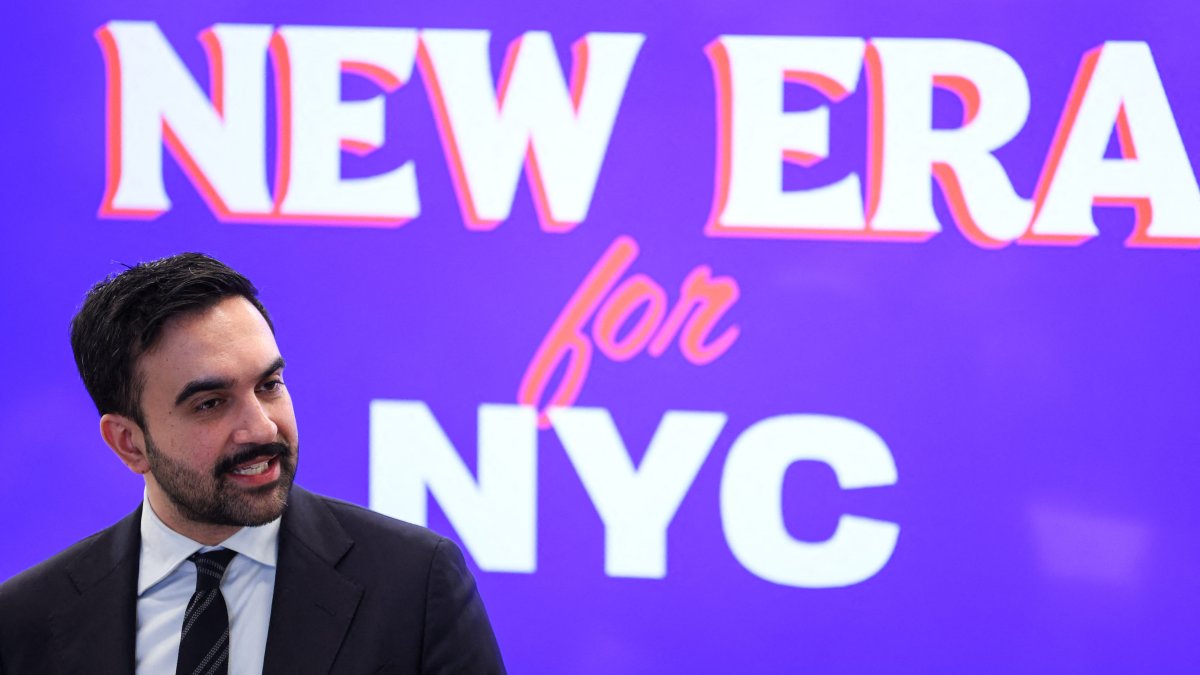
Zohran Mamdani will be sworn in as mayor on a Quran, a first in NYC history
Incoming Mayor Zohran Mamdani will take his oath of office on a centuries-old Quran, marking the first time a mayor of New York City has used Islam’s holy text to be sworn in and underscoring a series of historic firsts for the city. When the 34-year-old Democrat becomes mayor shortly after midnight in a long-closed subway station beneath City Hall, he’ll be the first Muslim, first South Asian and first African-born person to hold that position. These milestones — as well as the historical Qurans he will use for the ceremony — reflect the longstanding and vibrant Muslim population in the nation’s most populous city, according to a scholar who helped Mamdani’s wife, Rama Duwaji, select one of the books. Most of Mamdani’s predecessors were sworn in on a Bible, although the oath to uphold the federal, state and city constitutions does not require the use of any religious text. And while he has focused heavily on the issue of affordability during his campaign, Mamdani was outspoken about his Muslim faith. He frequently appeared at mosques across the five boroughs as he built a base of support that included many first-time South Asian and Muslim voters. A look at the Quran Mamdani will use Mamdani will place his hand on two Qurans during the subway ceremony, and a third during a subsequent ceremony at City Hall on the first day of the year. Two belonged to his grandfather and grandmother. The third is a pocket-sized manuscript dating to the late 18th or early 19th century that is part of the New York Public Library’s Schomburg Center for Research in Black Culture collection. That Quran symbolizes the diversity and reach of the city’s Muslims, said Hiba Abid, curator for Middle Eastern and Islamic Studies at the New York Public Library. “It’s a small Quran, but it brings together elements of faith and identity in New York City history,” Abid said. The campaign hasn’t offered more details on the ones from Mamdani’s grandparents. The history of this specific Quran The manuscript was acquired by Arturo Schomburg, a Black Puerto Rican historian whose collection documented the global contributions of people of African descent. While it is unclear how Schomburg came into possession of the Quran, scholars believe it reflected his interest in the historical relationship between Islam and Black cultures in the United States and across Africa. Unlike ornate religious manuscripts associated with royalty or elites, the copy of the Quran that Mamdani will use is modest in design. It has a deep red binding with a simple floral medallion and is written in black and red ink. The script is plain and readable, suggesting it was created for everyday use rather than ceremonial display. Those features indicate the manuscript was intended for ordinary readers, Abid said, a quality she described as central to its meaning. “The importance of this Quran lies not in luxury, but in accessibility,” she said. Because the manuscript is undated and unsigned, scholars relied on its binding and script to estimate when it was produced, placing it sometime in the late 18th or early 19th century during the Ottoman period in a region that includes what is now Syria, Lebanon, Israel, the Palestinian territories and Jordan. Abid said the manuscript’s journey to New York mirrors Mamdani’s own layered background. Mamdani is a South Asian New Yorker who was born in Uganda, while Duwaji is American-Syrian. Identity and controversy The meteoric rise of a Muslim democratic socialist also brought a surge of Islamophobic rhetoric, amplified by national attention on the race. In an emotional speech days before the election, Mamdani said the hostility had only strengthened his resolve to be visible about his faith. “I will not change who I am, how I eat, or the faith that I’m proud to call my own,” he said. “I will no longer look for myself in the shadows. I will find myself in the light.” The decision to use a Quran has drawn fresh criticism…
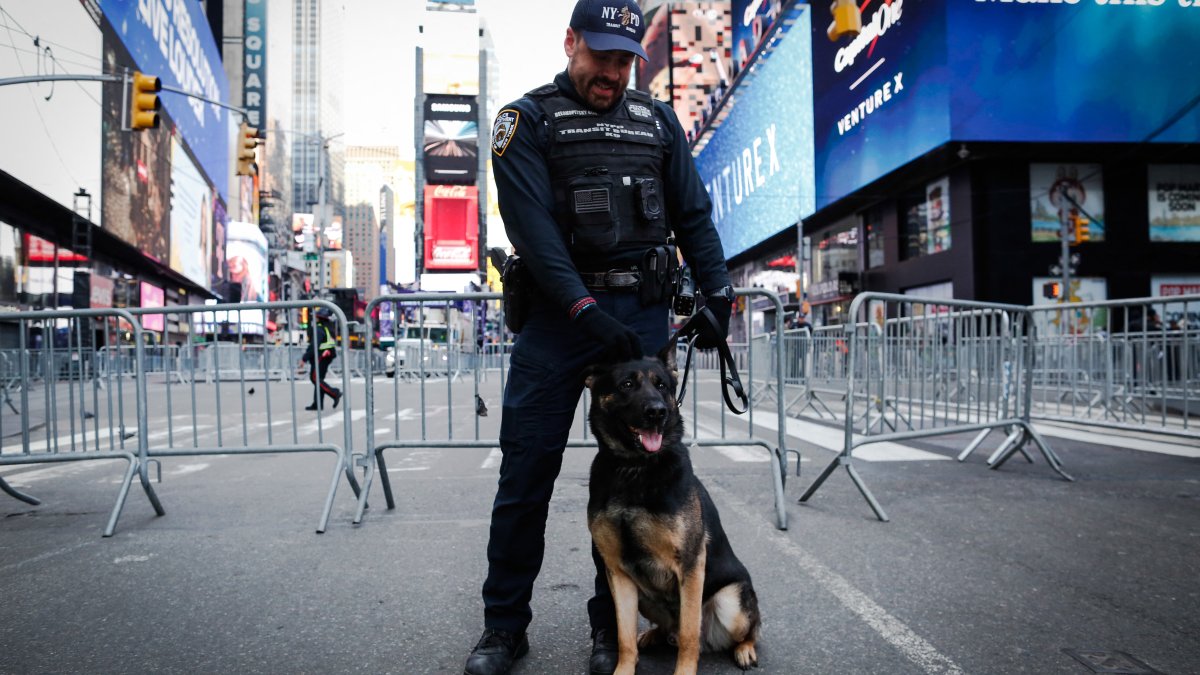
Helicopters and horses: NYPD pulls out all stops to boost New Year's Eve security
New York City plans to send out “thousands” of police officers to patrol Times Square as the bustling tourist spot prepares for the New Year’s Eve ball drop, NYPD Commissioner Jessica Tisch told reporters Tuesday at a security briefing. “We never tell you the exact numbers, but rest assured, the entirety of the New York City Police Department is going to be working between Dec. 31 and Jan. 1,” Tisch said. Tisch said the city did not have “any specific credible threats against” the festivities in Times Square. Eric Adams, New York’s outgoing mayor, said the sweeping deployment will include personnel from the city’s intelligence and counterterrorism units as well as officers in plainclothes, on horseback, on trains, in helicopters and on boats. New Year's Eve 8 hours ago Watch the ball drop live from Times Square on New Year's Eve New Year's Eve Dec 29 The New Year's ball will drop twice in 2026. Here's why Times Square 9 hours ago New Year's Eve in Times Square: No backpacks and more rules for celebrating Chicago, Philadelphia and Boston are likewise ramping up precautions in the final hours of 2025. Chicago’s emergency management office is publicly encouraging residents to be “vigilant in crowds” and report suspicious activity by calling 911. The city is expecting a crush of spectators for a riverfront fireworks show at Navy Pier. In response to a request for comment on the national security posture, the FBI said it “continuously collects intelligence about potential threats, and we regularly share information with law enforcement partners to assist in protecting the communities we all serve.” “The FBI encourages members of the public to be vigilant and report anything they consider suspicious to law enforcement,” the bureau added.
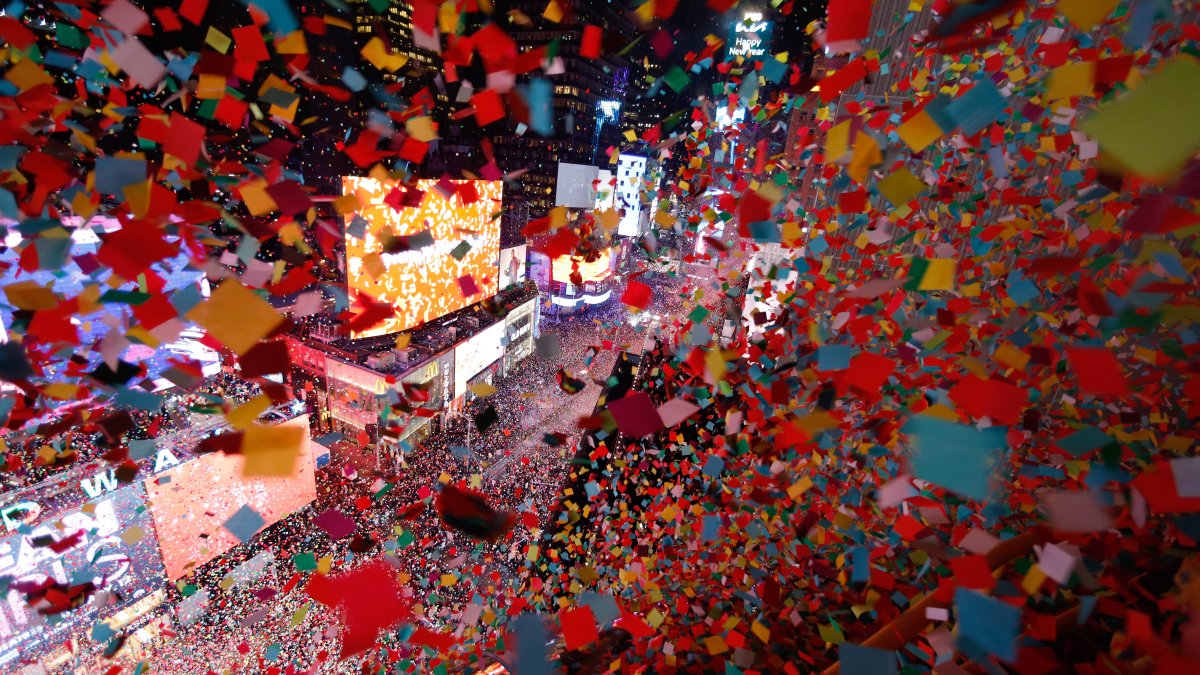
Meet the balloon king behind the New Year's Eve confetti in Times Square
Go confetti! Go confetti! Go confetti! Before the final seconds of the year are counted down and the Times Square ball drops to its base, the New York City air will already be filled with 3,000 pounds worth of multi-colored confetti. Each two-inch by two-inch square piece of tissue paper floating above the world’s largest New Year’s Eve party will have been released by hand. “We want the confetti in the air by the time the ball is at the base and it’s a new year,” said Treb Heining, who has organized each Times Square confetti drop since 1992. “So, when the live feeds from around the world tune in, they already see the confetti blizzard.” The colorful squall is produced by more than 100 volunteers situated at various building setbacks and windows surrounding One Times Square. Each location has a crew chief who is in communication with Heining through radio. The boxes of confetti, which are made in Pennsylvania, are delivered to their respective location two days before New Year’s Eve. Volunteers lucky enough to have secured their spot for the year-end bucket-list experience then attend an orientation where they’re shown how to properly and safely disperse the confetti. “It’s a real workout if you do it correctly,” Heining said. “You can get a lot of your aggressions from the year out in doing the confetti.” It’s a real workout if you do it correctly. You can get a lot of your aggressions from the year out in doing the confetti.Treb Heining Dispersers get in position shortly before midnight, high above the roughly one million people on the streets below. “We usually start the confetti about 20 seconds before midnight,” Heining said. “That’s when I give the go.” As the clock ticks down, the ball descends, and the world watches, Heining raises his radio… “Go confetti! Go confetti! Go confetti!” ‘The man who had the idea of balloons at parties’ Treb Heining is known for having created the balloon decor industry. Heining, despite his role as the New Year’s confetti king, is better known as the father of the balloon industry. So much so that the California native even made an appearance on “Late Show with David Letterman” in the 1990s. “This is amazing,” Letterman said. “This is the man who had the idea of balloons at parties. Unbelievable, isn’t it?” Heining’s first job, in 1969 when he was 15 years old, was at Disneyland where he sold Mickey Mouse balloons. “I learned how to tie balloons fast,” he said with a laugh. He turned that skill into a lifelong career, which ultimately led him from the Magic Kingdom to Times Square. Heining, in the 1970s, invented items like the ballon arch and balloon column. He started his company Balloon Art by Treb in 1979, specializing in balloon décor for parties and events. The company, which began by designing balloon art for smaller events like mall openings, went on to oversee décor for large-scale spectacles like the Opening Ceremony of the 1984 Summer Olympics in Los Angeles, Super Bowls, the Democratic and Republican Presidential National Conventions, Academy Award ceremonies and other marquee events. Heining’s former employer took notice. “Disneyland called to do work inside the park,” he said, with his company going on to design balloon installments for the park’s attraction openings and celebrations. In the 1990s, Heining developed what he says is the best-selling balloon of all time: the theme parks’ popular Glasshouse Balloon, a clear-plastic balloon containing a big-eared Mickey balloon within it. The partnership between Disney and its former balloon vendor-turned-balloon king continues to this day. “So,” he said, “we now create balloons for all the Disney parks worldwide.” His other worldwide responsibilities often took him to New York, where in the early 1990s a company called the Business Improvement District of Times Square – now the Times Square Alliance — was launched to revitalize the area. He received a call from one of the heads of the company saying they’re in charge of…
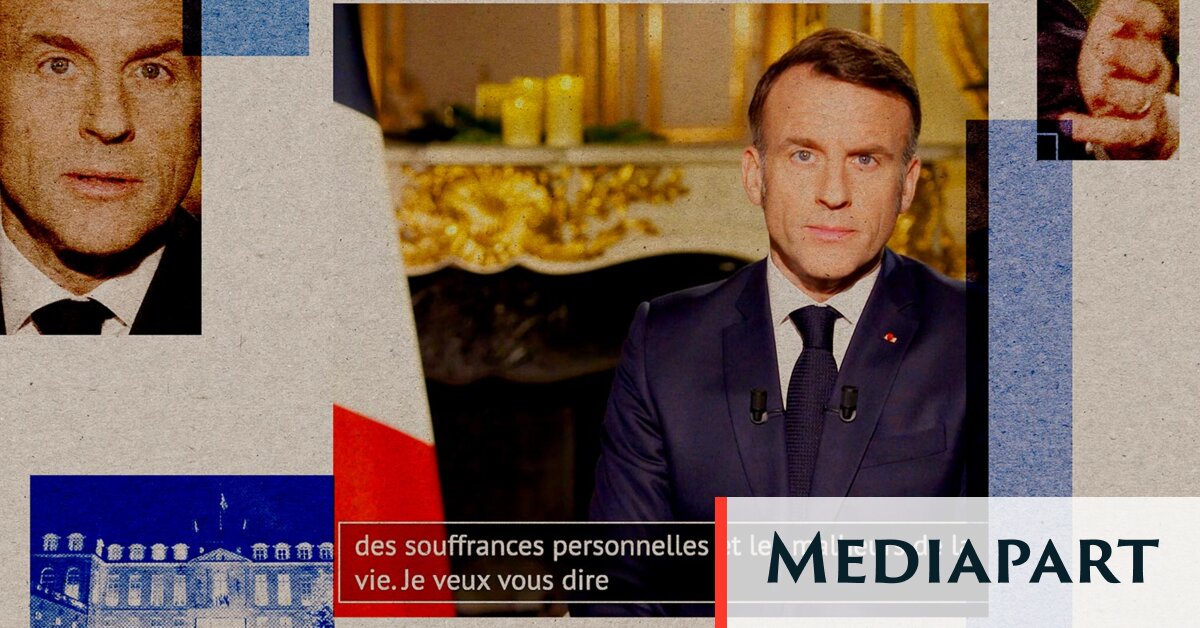
Président sans influence, Macron présente ses vœux pieux
Le chef de l’État a tenté de se montrer en première ligne, mercredi 31 décembre, lors de ses vœux pour 2026. «Cette année sera utile», a-t-il promis. En France comme à l’étranger, ses marges de manœuvre se réduisent pourtant aussi vite que la fin du quinquennat approche.

2025, annus horribilis pour les fuites de données personnelles

Alessandro Pignocchi: «On doit pouvoir proposer des formes de vie plus intenses et plus joyeuses»
Le bitume est tenace, mais la poésie est plus forte. Découvrez la naissance inattendue de l'espoir.
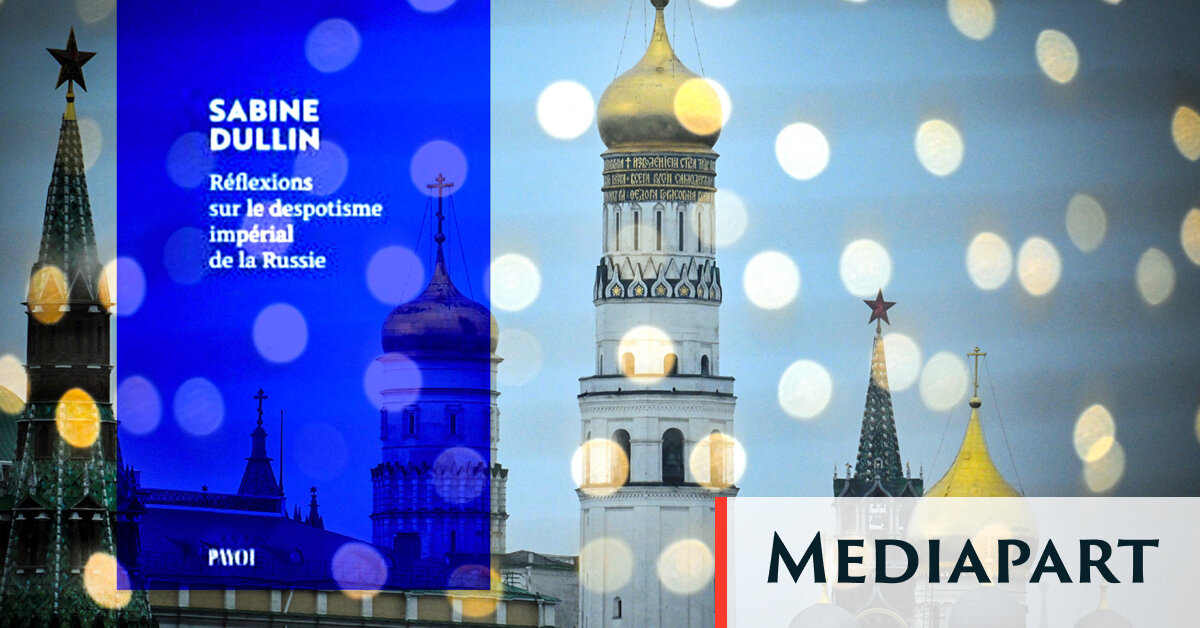
La Russie enfermée dans son «despotisme impérial»
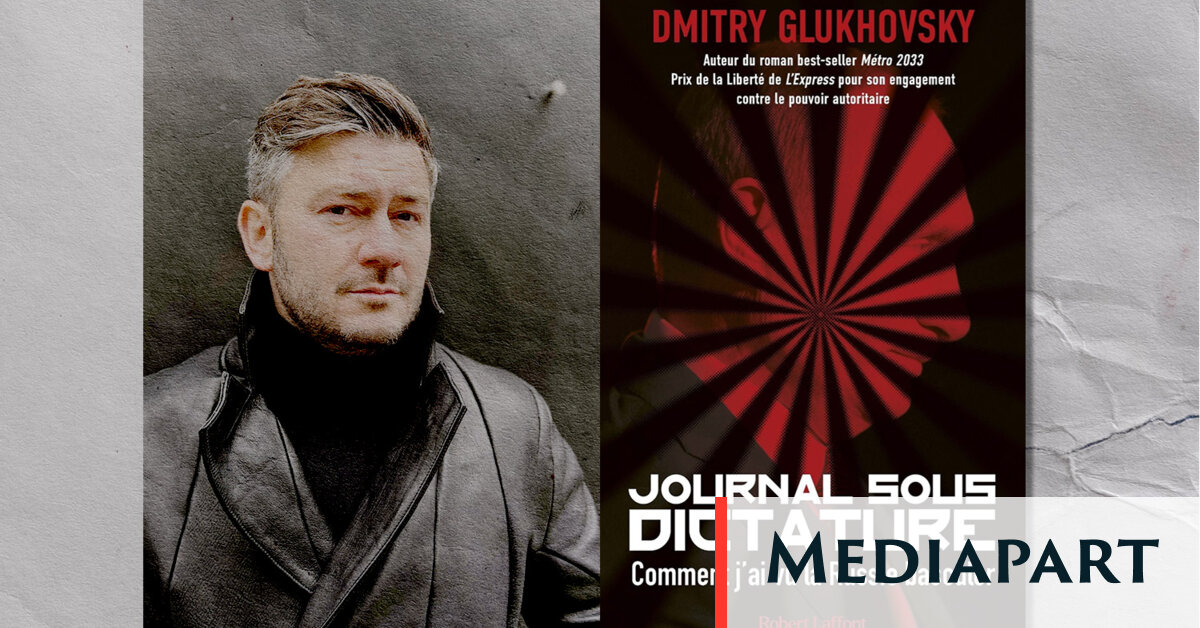
Dmitry Glukhovsky: «Le pouvoir russe, une fusion entre KGB et crime organisé»
L’auteur de la trilogie «Metro» décrit pourquoi Vladimir Poutine, président mais aussi «capitaliste numéro un» de la Russie, a besoin de déstabiliser les régimes démocratiques à ses portes. Exilé depuis trois ans en Europe, le romancier dit se sentir toujours «vulnérable».
