
Le Journal

Sabrina Carpenter to Perform at 2026 Grammy Awards
The singer is nominated for six awards, including Album of the Year for Man’s Best Friend, and Song of the Year for “Manchild”

Kanye West to Perform in India for First Time in His Career

A$AP Rocky Will Bring All His Alter-Egos on the Road for the ‘Don’t Be Dumb’ World Tour
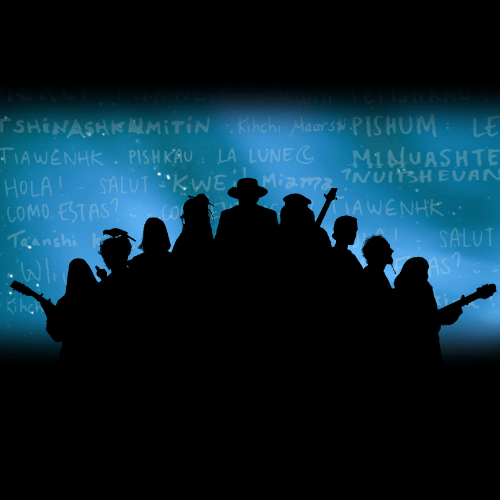
Tatsihsta’ / Ki pakitamon a
La deuxième cohorte de Nikamu Mamuitun présente deux chansons en amont de la sortie de leur album le 13 février prochain. Dans Tatsihsta’ on entend les voix de Luan Larobina,… L’article Tatsihsta’ / Ki pakitamon a est apparu en premier sur Le Canal Auditif.
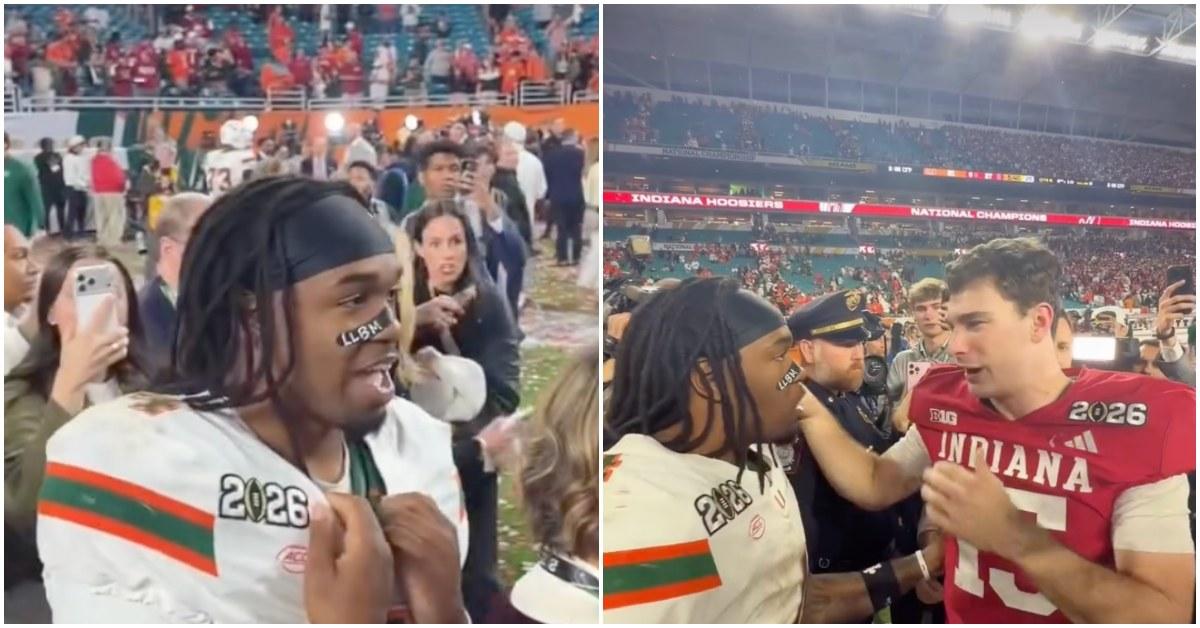
"LLBM 1 Love" Carries a Very Significant Meaning to Miami Hurricanes RB Mark Fletcher Jr.

Grading the Mavericks: it will be hard to tank with Jason Kidd as head coach
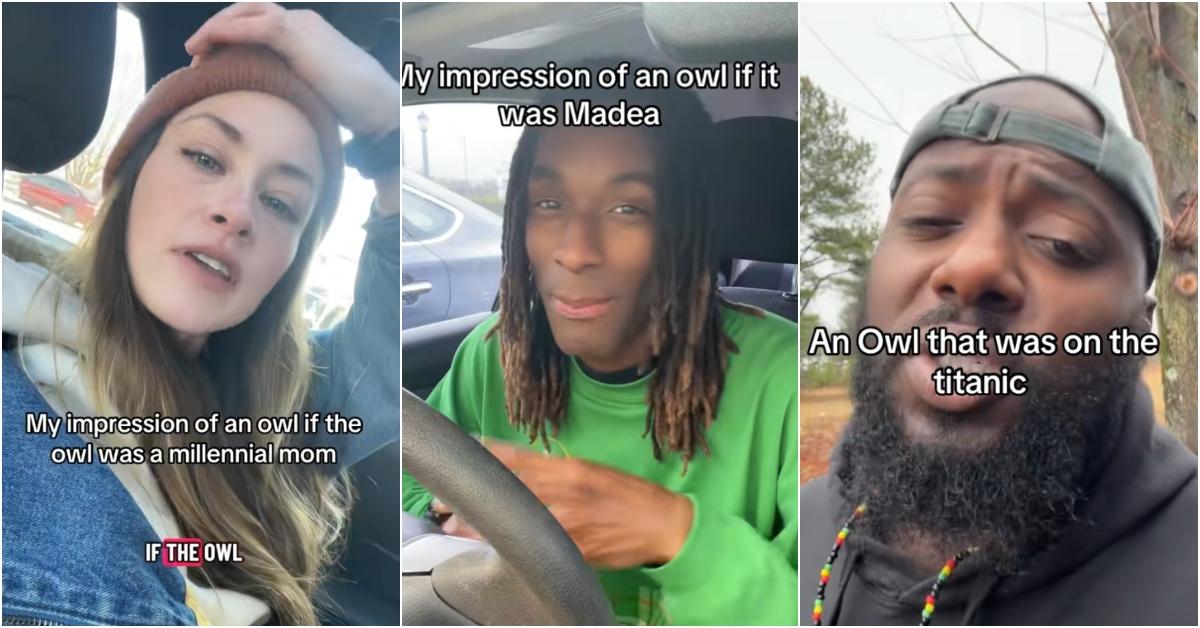
Owl Impression Videos on TikTok Are Bringing People Together in an Unexpected Way

Snail Mail annonce son prochain album : Ricochet
Elle présente aussi le simple Dead End qui se retrouvera sur l’album à paraître le 27 mars via Matador Records. Snail Mail est de retour avec la pièce Dead End… L’article Snail Mail annonce son prochain album : Ricochet est apparu en premier sur Le Canal Auditif.

All the Songs from the Original ‘High School Musical,’ Ranked

Can the Counterculture Rise Again?
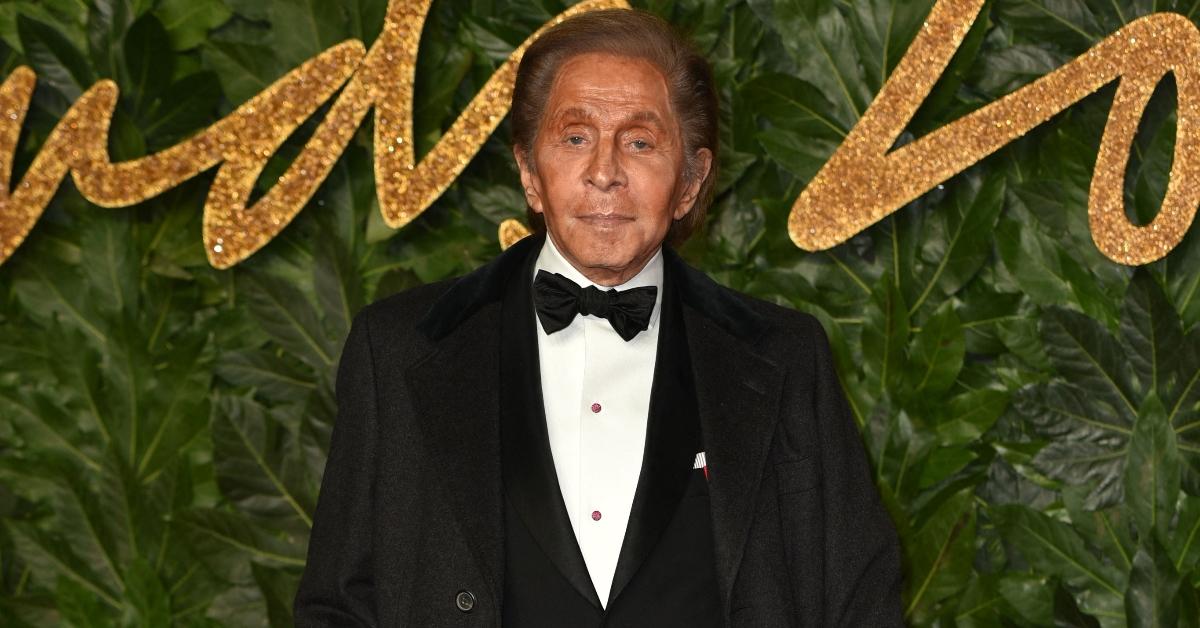
Beloved Fashion Designer Valentino Garavani, Who Was Known for His Love of Red, Is Dead at 93

A very simple explanation for why politics is broken
A new study presents evidence that cable news causes voters — and thus, politicians — to put a greater premium on social issues. | William West/AFP via Getty Images In today’s America, the less money a white voter has, the more likely they are to support Donald Trump. Whites in the bottom 10 percent of America’s income distribution broke for the GOP nominee in 2024 by landslide margins. Those in the top 5 percent largely backed Democrat Kamala Harris, according to American National Election Studies data. For most of the past century, the opposite pattern prevailed: In every presidential election from 1948 to 2012, poor whites voted to the left of rich ones. But that changed in 2016. Eight years later, the new, negative correlation between income and Republicanism among whites became unprecedentedly strong, as Ohio State University political scientist Tom Wood has shown: This development surely reflects Trump’s personal imprint on American life. Yet it was also made possible by long-term, structural shifts in our politics. In the mid-20th century, Americans without college degrees voted sharply to the left of university graduates. But beginning in the late 1960s, this gap started to narrow before finally flipping in 2004. The relationship between socioeconomic status and partisanship in the United States therefore changed gradually — and then, with Trump’s populist rebrand of the GOP, all at once. This realignment had many causes. An indispensable factor, however, was the rising salience of “culture war” issues. Over the past 50 years, debates over immigration, crime, abortion, religion, race, and gender became increasingly prominent in American politics. As this happened, voters began sorting themselves less on the basis of their economic attitudes and more on that of their cultural ones. And since college-educated voters lean left on most social issues — while less educated voters lean right — this eroded the lower classes’ traditional attachment to the Democratic Party (and the upper classes’ historic ties to the GOP). Liberals often lament these developments — and not without reason. Some consequences of cultural polarization seem perverse. Many poor Americans today 1) express progressive views on health care and social welfare, 2) say that economic issues are their top concern, and 3) nonetheless vote for the party hellbent on cutting their Medicaid and food stamp benefits. And of course, Democrats’ flagging support with working-class voters has enabled Trump’s electoral success — thereby imperiling American democracy. For these reasons, the question of why the culture war gained such political prominence has long preoccupied Democrats. Some progressives blame their party’s alleged abandonment of economic populism: By embracing “neooliberal” stances on trade and regulation, Democrats narrowed the gap between the parties on economic issues, thereby making their divisions on social matters more conspicuous. Some moderates, meanwhile, suggest that the party made cultural controversies more salient by moving too far to the left in such debates. Others argue that the right’s radicalization has made the culture war’s primacy inevitable; it is hard to keep fiscal policy in the foreground when agents from Immigration and Customs Enforcement are brutalizing US citizens and the president is demonizing all Somali-American-owned businesses. But recent research points to another (potentially complementary) explanation for the decline of materialist voting: Americans’ at-home entertainment options have gotten too good. Key takeaways • In recent decades, culture war issues have become increasingly salient in American politics, triggering a realignment of the major party coalitions. • A new study suggests that the rise of cable television fueled these trends: Facing heightened competition, news broadcasters realized that social issues were better at attracting viewers’ attention than economic ones. • Digital media has made…