
Le Journal
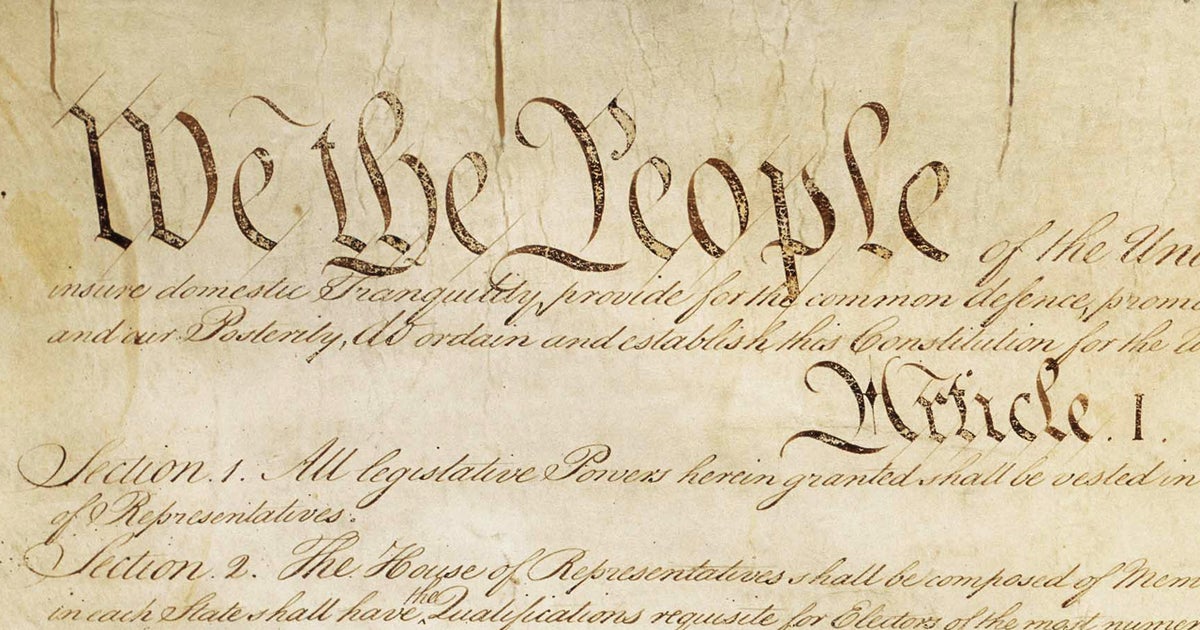
A history of America's Constitution
The checks-and-balances of our government have been increasingly tested in ways our founding fathers never anticipated, yet the Constitution remains, in the words of one expert, "absolutely eternal and timeless."
Celebrating America's spirit of innovation
These United States: Bright ideas
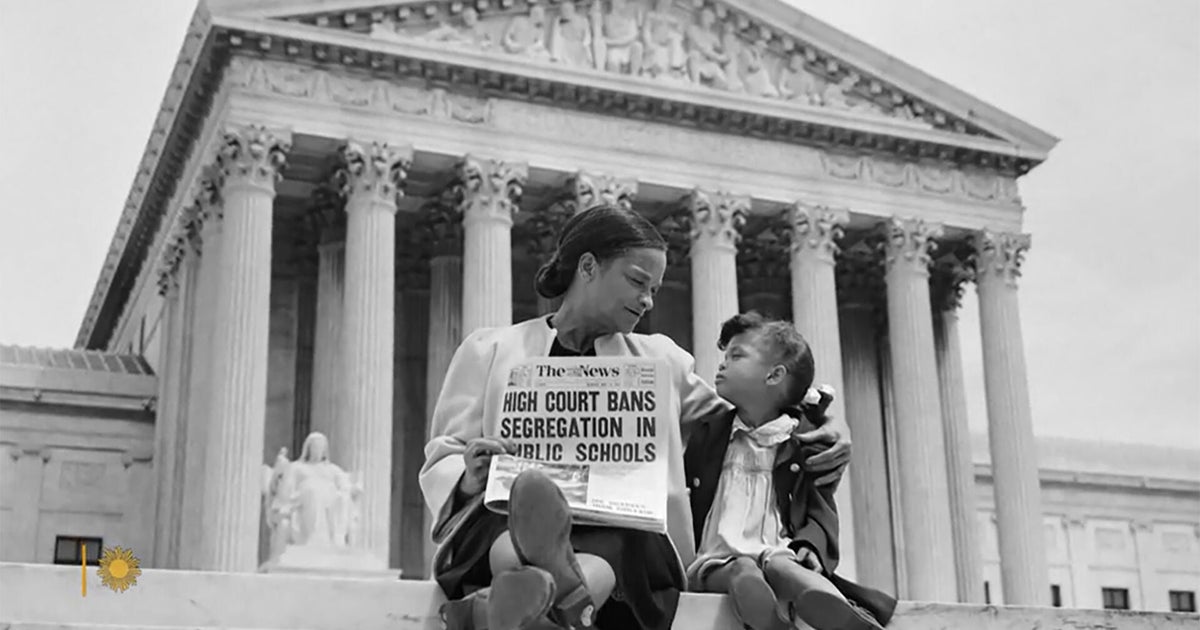
These United States: Brown v. Board of Education
In December 1953, Thurgood Marshall, an attorney who headed the NAACP's Legal Defense Fund, argued before the U.S. Supreme Court that racial segregation in America was an attempt to keep the formerly enslaved in "as near that stage as is possible." Bill Whitaker reports on how a long-standing legal doctrine was ended.
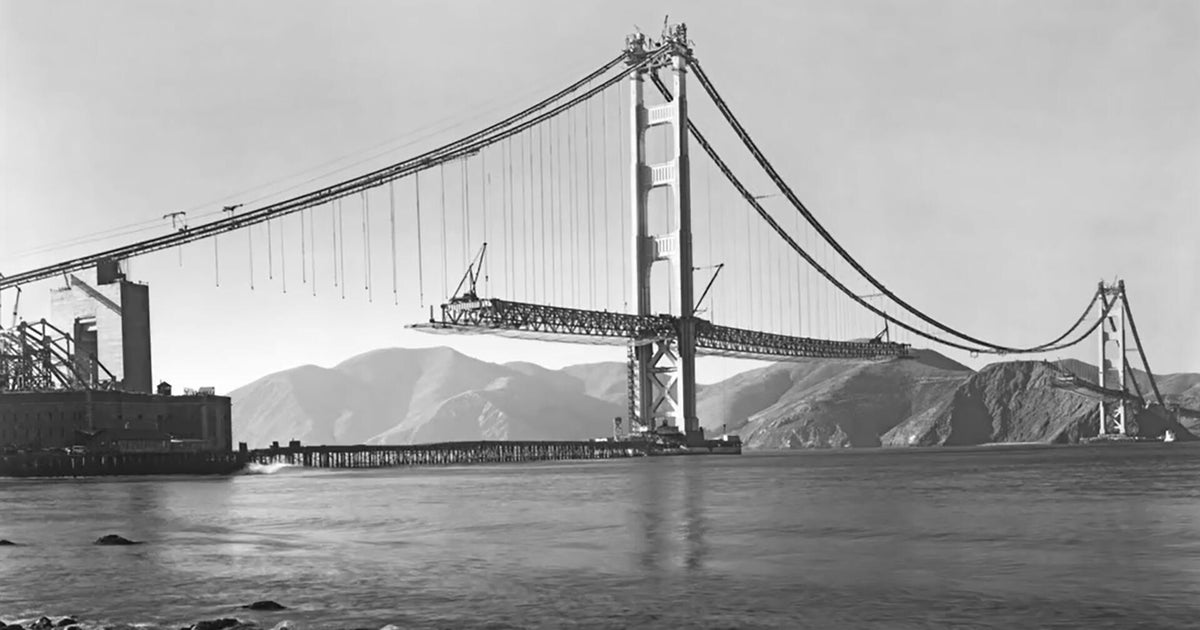
These United States: Golden Gate Bridge
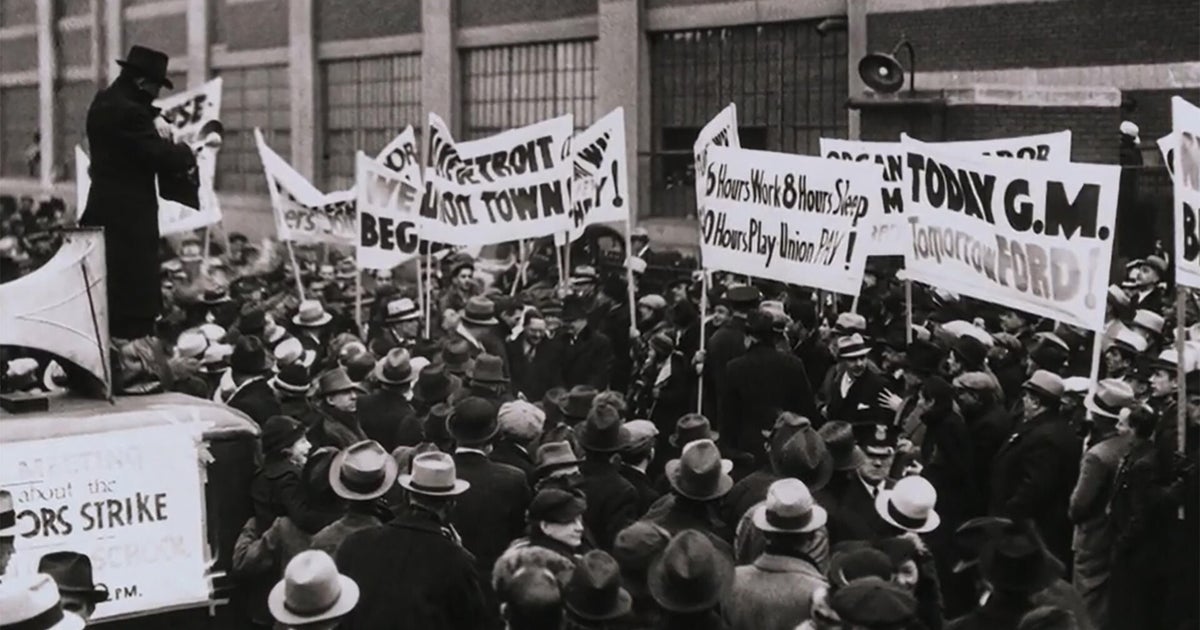
These United States: The rise of union power

These United States: America's first cash crop

The "World's Ugliest Dog Contest" contest crowns new winner in California
The contest has been taking place for nearly 50 years, organizers say.
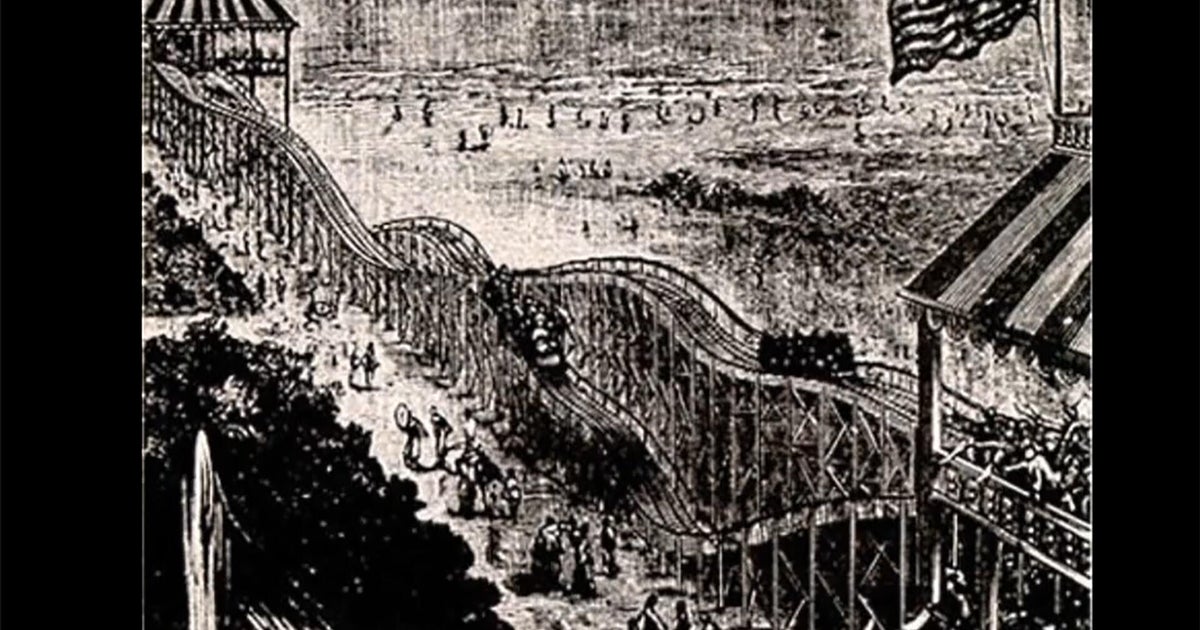
These United States: Coney Island
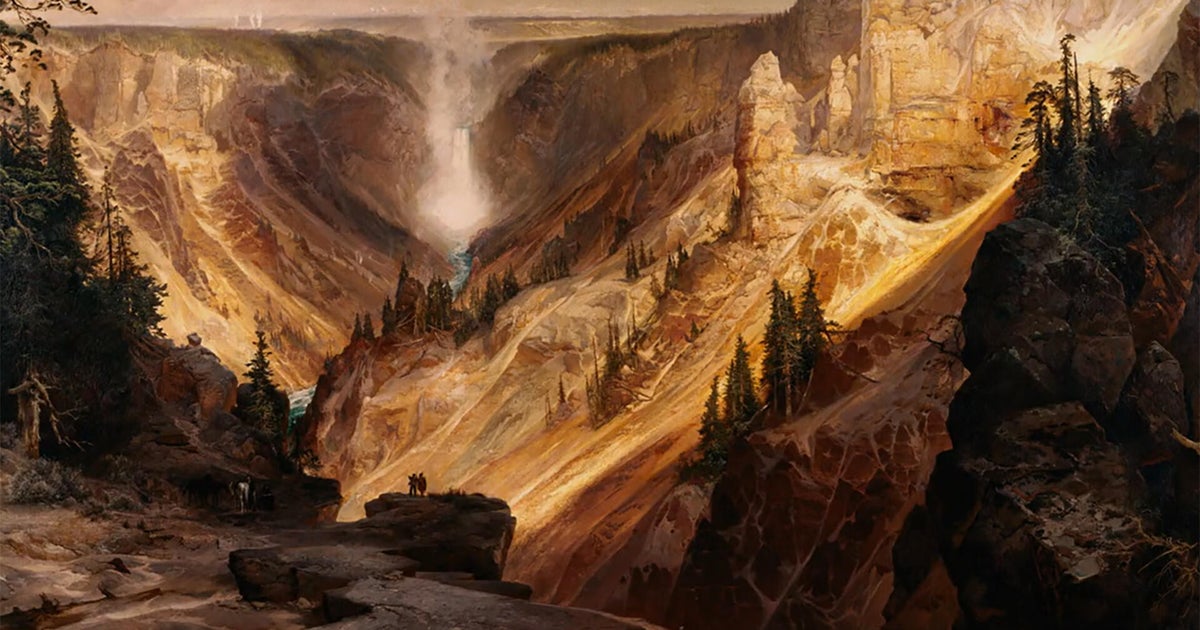
These United States: Yellowstone National Park
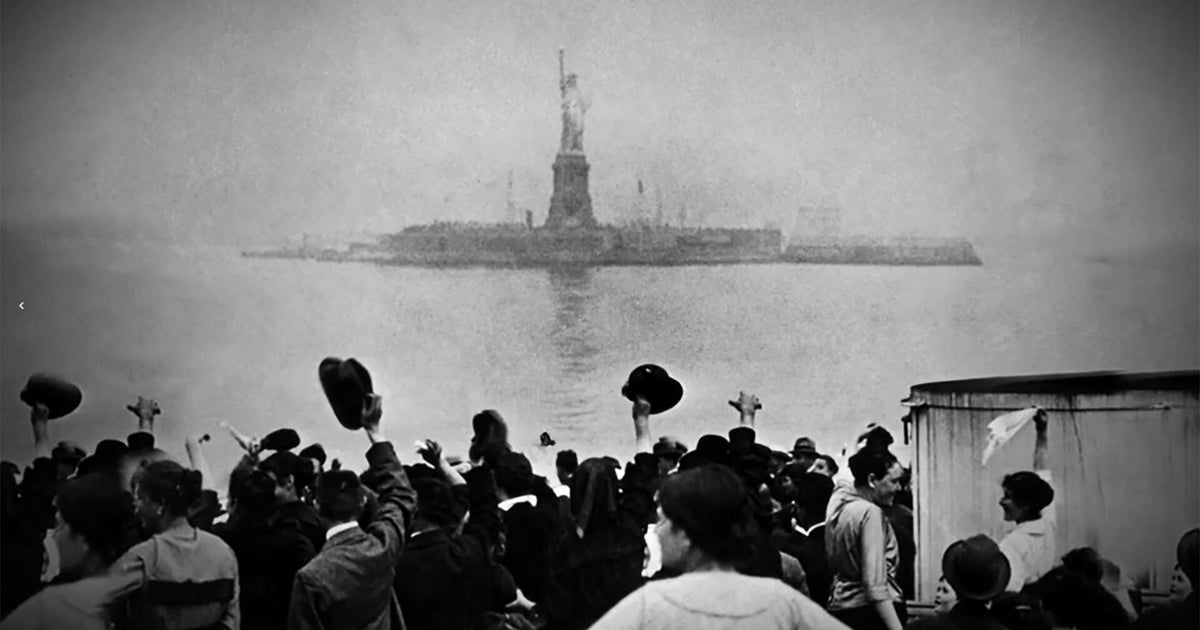
How Lady Liberty became a beacon for immigrants
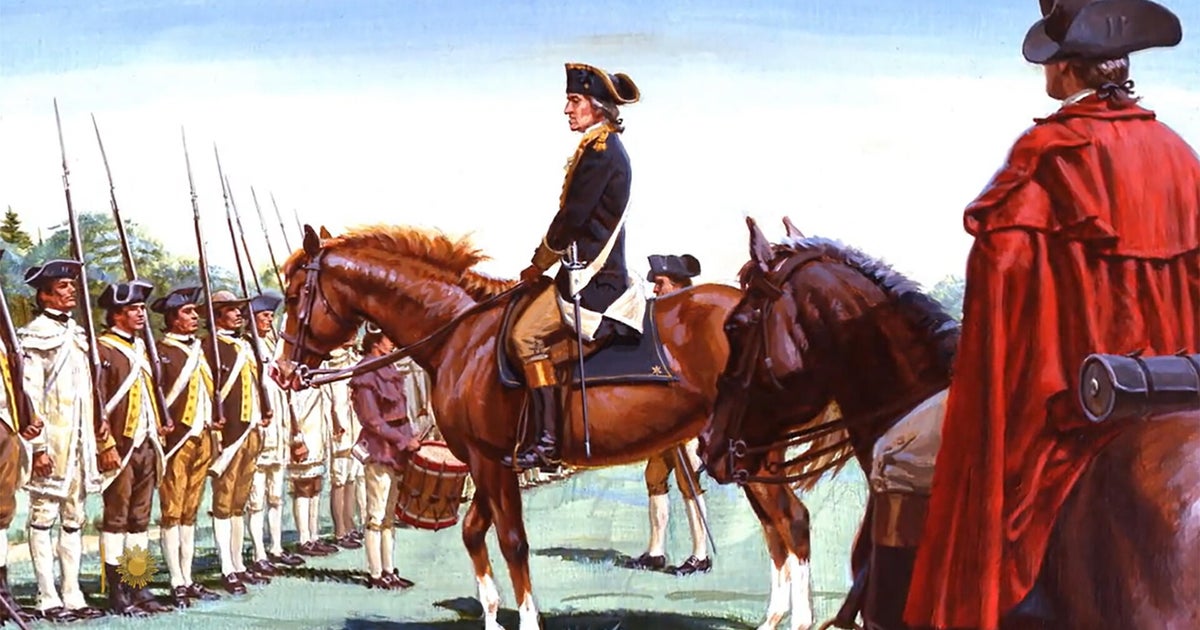
How the U.S. Army was born
On June 14, 1775, the Continental Congress voted to replace the part-time militias that were facing off against British forces with a full-time army. After 1,300 battles and skirmishes, the Army, led by Gen. George Washington, defeated the British Empire, winning our independence. CBS News national security correspondent David Martin looks at the creation of America's unified military, and visits a National Museum of the United States Army exhibit honoring the sacrifices of our nation's revolutionary heroes.